
Indicators That Suggest a Refresh Is Needed for Your Home’s Outer Look
Your home’s exterior is the first impression it gives to the outside world. Over time, exposure to weather elements can take a toll on your home’s facade. This not only affects its appearance but can also lead to structural issues if ignored. Recognizing when it’s time to repaint can prevent larger problems and enhance your property’s curb appeal.
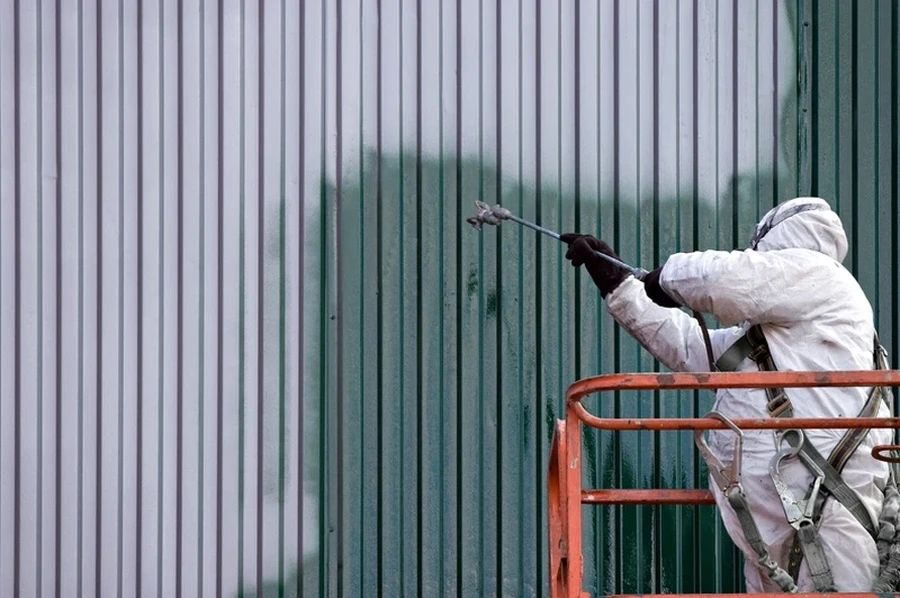
Fading Paint Colors
One clear sign that your home may need new paint is fading colors. Sunlight, rain, and wind gradually wear down exterior paint, causing the original vibrant color to lose its luster. When you notice that your home’s colors are dull or different from what they used to be, it’s an indication that exterior painting might be necessary. A fresh coat of paint will restore vibrancy and protect against further fading.
Peeling and Cracking
If you observe peeling or cracking on your home’s surface, it’s more than just an aesthetic issue. These are signs that the paint has lost its adhesion due to moisture penetration or other environmental factors. Once the paint starts to peel or crack, your home’s structure becomes vulnerable to damage. Addressing this promptly with exterior painting helps prevent water damage and wood rot.
Visible Mold and Mildew
Mold or mildew growth on your home’s exterior often indicates excess moisture retention and insufficient sunlight exposure. These fungi thrive in damp environments and can harm your house’s materials over time. If you see dark spots or discolorations spreading across walls, consider it a cue for redoing the paint job. Using a mold-resistant paint during exterior painting can reduce future occurrences.
Bubbling Paint Surface
A bubbled paint surface typically indicates trapped moisture within the wall layers or beneath the paint itself. This condition not only hampers aesthetics but also suggests potential underlying moisture issues. You should address bubbling by stripping away affected areas and applying a new, protective layer of paint.
Chalking Residue
Chalking appears as a fine powdery substance on painted surfaces. While some chalking is normal over time, excessive residue means the paint film is breaking down significantly. It’s crucial to clean off the chalk thoroughly before applying a new coat to ensure proper adhesion and finish quality.
Wood Damage or Rot
If your home features wooden elements, check them regularly for signs of rot or decay. Damaged wood can no longer hold paint effectively, leading to premature peeling and exposure risks. Replacing rotten wood followed by timely painting can shield your home from further deterioration.
Protect Your Investment With Timely Painting
Recognizing these signs early on allows you to schedule maintenance before minor issues escalate into costly repairs. By staying attentive to these indicators, homeowners can maintain their property’s value and appearance. Contact Marmol Paint for expert advice and service tailored to your needs. Our team proudly serves the San Leandro, CA area with high-quality solutions. Call us at (650) 229-7336 today for more details!